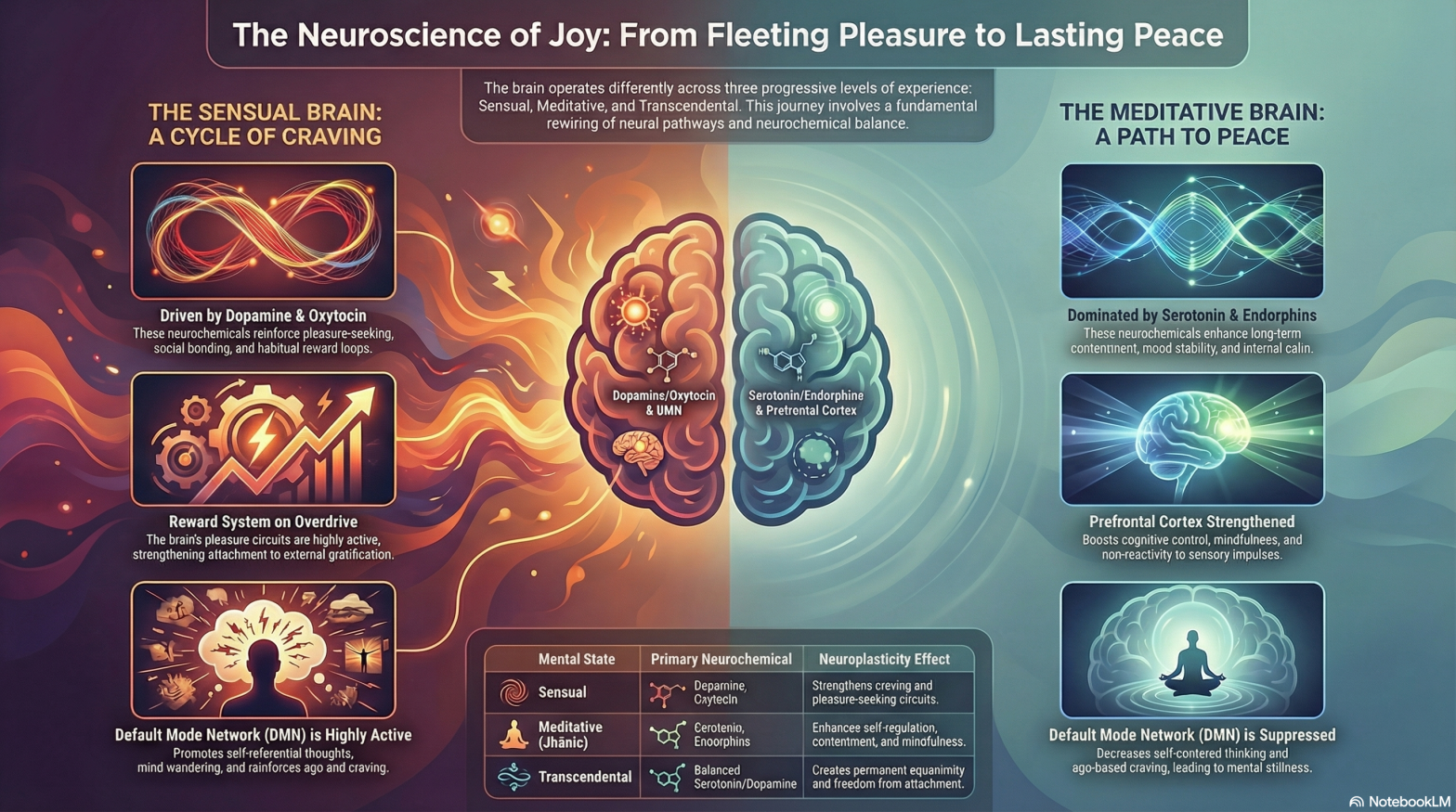
Let us now look into neuro transmitter and neural pathways that happens when one is moving from default mode network and its transformation into meditative states Introduction: The Brain’s Transformation from Sensual to Meditative to Transcendental StatesThe Nirāmisasutta describes three progressive levels of mental experiences—Sensual (Sāmisa), Meditative (Jhānic/Nirāmisa), and Transcendental (Nirāmisatarā)—each influencing the brain, neurochemistry,Continue reading “Neural Networks & Jhānic happiness”
Category Archives: Essays
Effect of Jhānas on HRV

Understanding HRV (Heart Rate Variability)🔹 HRV is the variation in time between heartbeats—it reflects the dynamic balance between the sympathetic (fight/flight) and parasympathetic (rest/digest) nervous systems.🔹 Higher HRV indicates greater adaptability, relaxation, and a well-regulated autonomic nervous system.🔹 Lower HRV is linked to stress, anxiety, and cardiovascular risks. 🌿 Slow breathing is one of theContinue reading “Effect of Jhānas on HRV”
Buddha & Six Samana
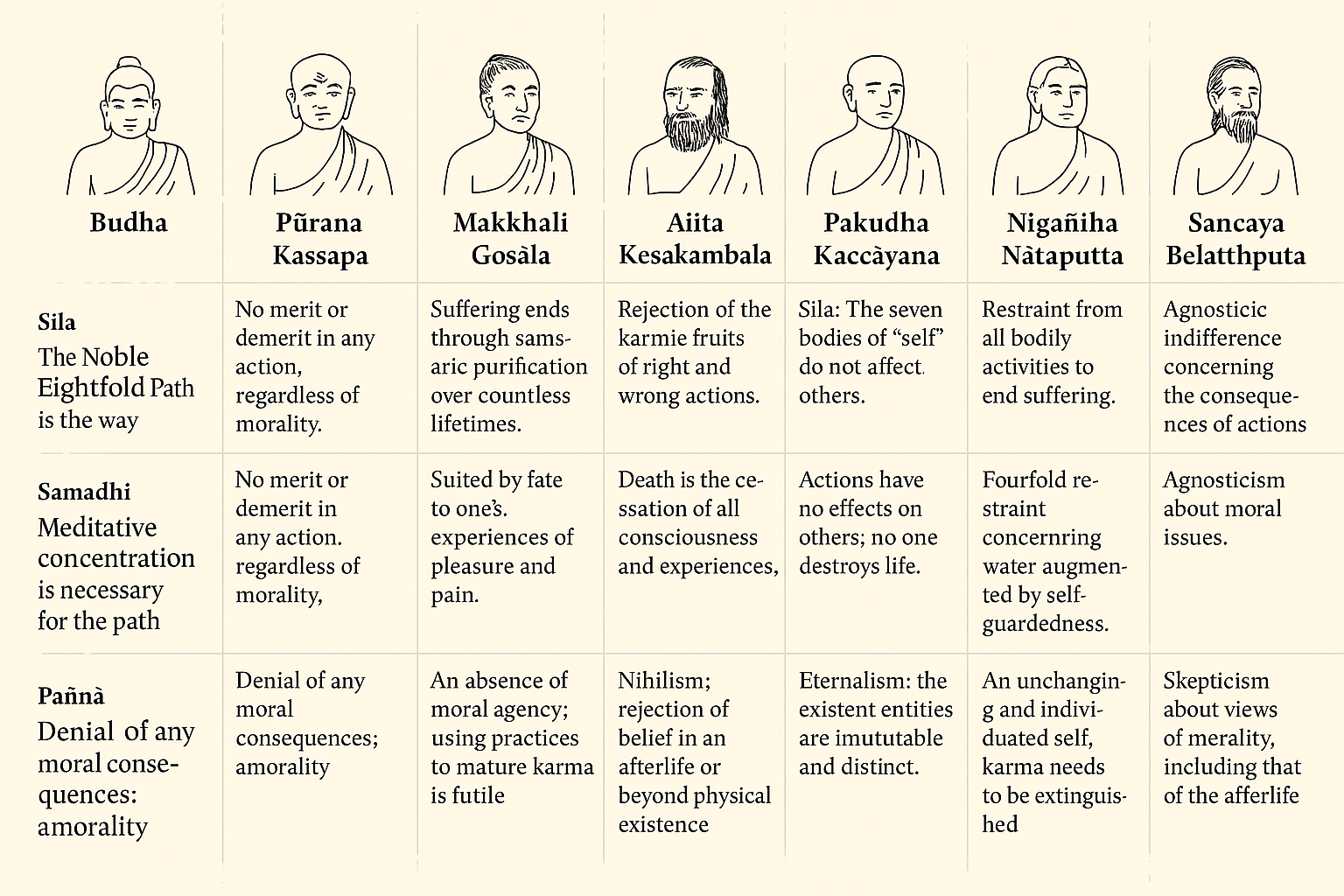
We saw six contemporaries of Buddha in the earlier post and now let us proceed further towards comparing each one of them in their philosophies, methods and how would one accomplish the task alongside with Buddha teachings. If you have still not visited it, 🧭 Comparative Chart: Śramaṇa Teachers & Buddha on Sīla, Samādhi, PaññāContinue reading “Buddha & Six Samana”
Jain teachings

Mahāvīra, the 24th Tīrthaṅkara of Jainism, offers a detailed explanation of karma and its burning (nirjarā) in the Jain canon. Unlike the Buddhist notion of kamma as volitional action (cetanā), in Jainism, karma is seen as a subtle material substance (pudgala) that binds to the soul due to passionate actions (kaṣāya). Let’s break down Mahāvīra’sContinue reading “Jain teachings”
Jhānas – Step by Step
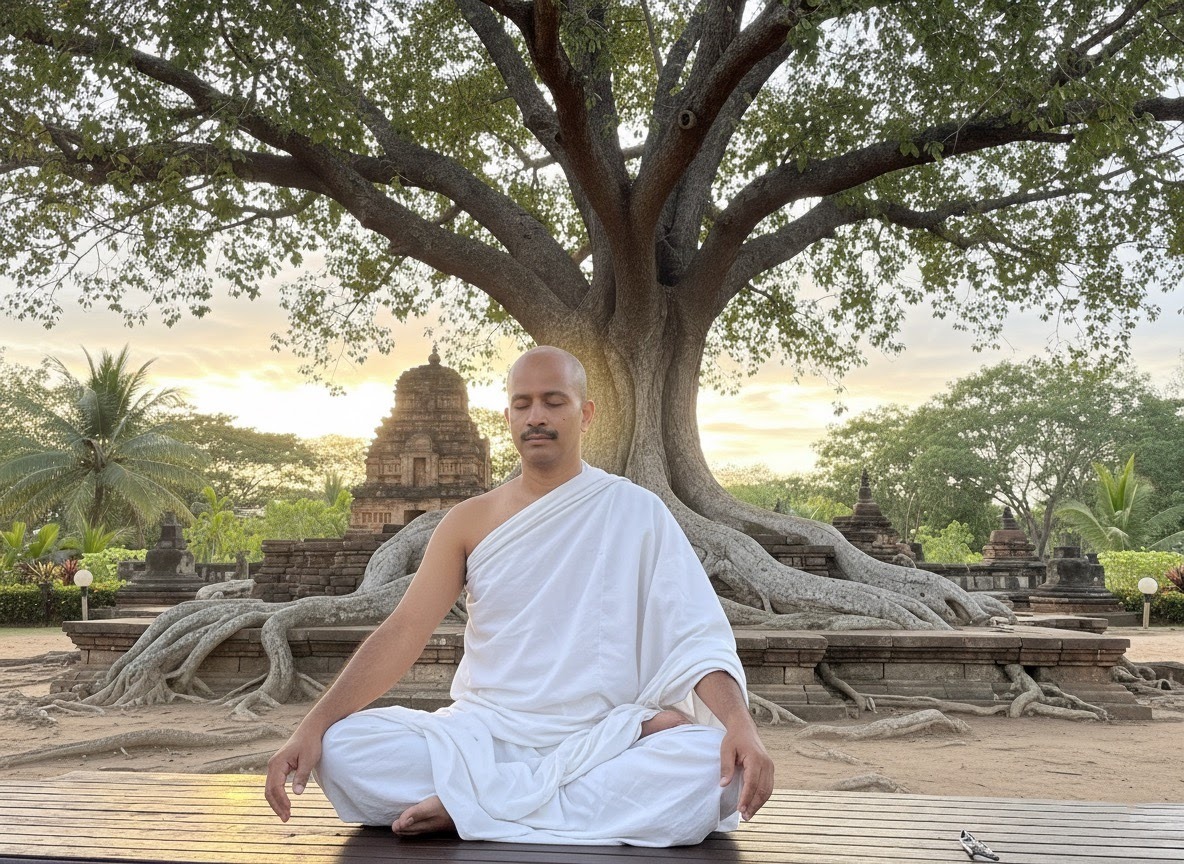
Let us get deeper into jhānas on how to attain them, how would one know that they have entered, how they have stayed there and how they have exited. Also, there are preliminary things that need to be there before the jhānas are possible as in being secluded from sensual pleasures and all immoral deeds.Continue reading “Jhānas – Step by Step”
Who is Sotapanna?

If we were to refer to some of the key sutta’s, we would be able to understand on who would qualify for Sotapanna. Before we go there, one need to know on how does our journey start? All of our journey start in trying to find peace in our life and we happen to stumbleContinue reading “Who is Sotapanna?”
Ambapali Story

The Life of Ambapali: From Courtesan to ArahantAmbapali’s life is one of the most remarkable stories in Buddhist history. She was a woman of unparalleled beauty, intelligence, and grace, who lived in ancient India during the time of the Buddha. From being the most celebrated courtesan (nagarvadhu) of Vaishali to renouncing worldly pleasures and attainingContinue reading “Ambapali Story”
What is Paramāsa?
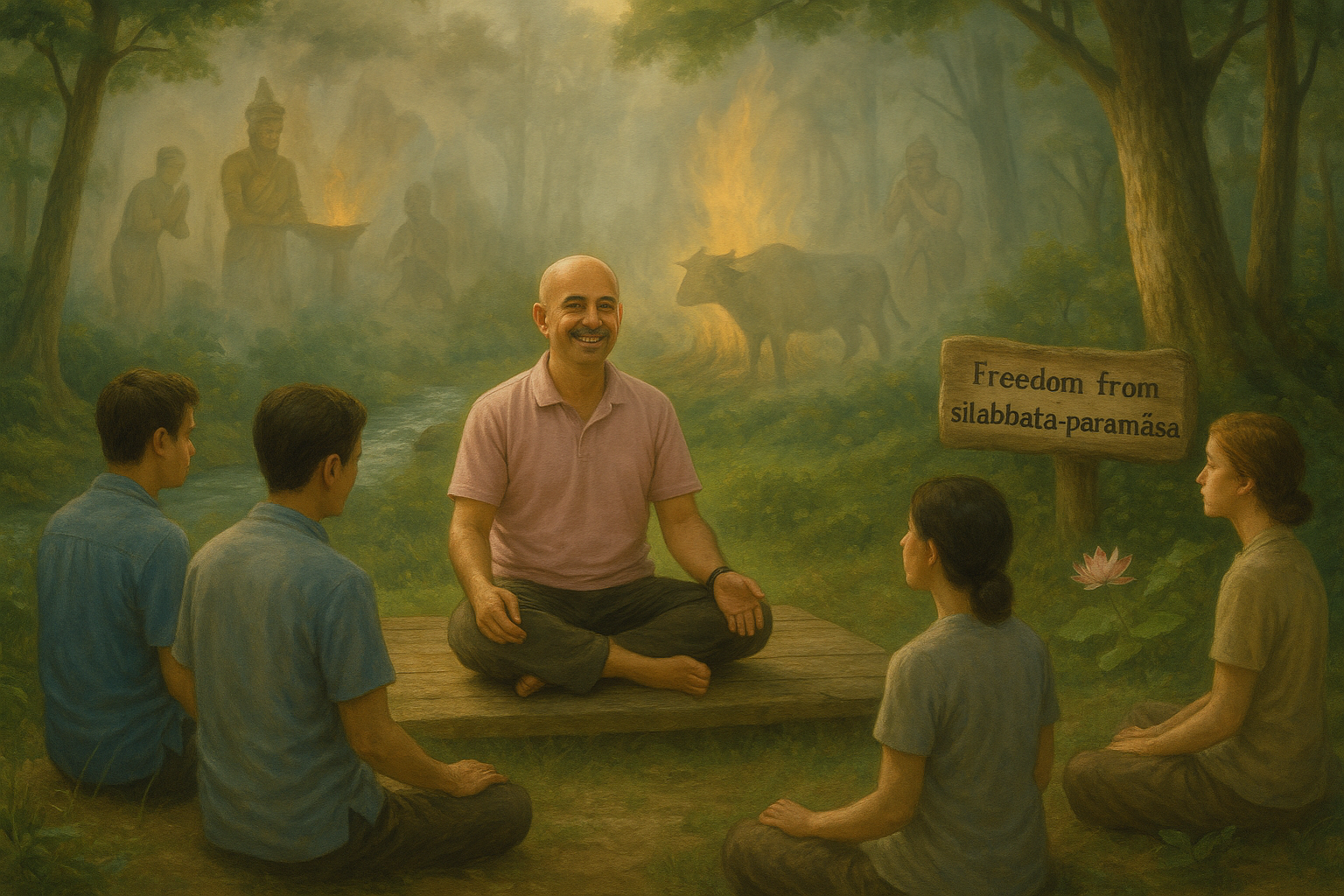
There has been lot of questions and confusion relating to sīlabbata paramāsa which is translated as “attachment to rites and rituals”. One question arises relating to this term whether it is just “attachment to rites and rituals” or is there something more in this. In order to understand it deeper and removing of self-view whichContinue reading “What is Paramāsa?”
Five niyamas

1. Utu Niyama (Physical or Seasonal Laws) At a deeper level, utu niyama governs the physical and elemental forces of the universe—heat, cold, rain, and other environmental conditions. It relates to how the Four Great Elements in Buddhism—earth, water, fire, and air—interact in the world. The Buddha emphasized that physical conditions, while seemingly independent, alsoContinue reading “Five niyamas”
Wise Reflection
Meaning and Definition of Paṭisambhidā-magga-pali pați = bond in order to reflect backsam = withbhidha (bheda) = breaking / analyzing As regards to Ven.Sariputta’s way, it is withmagga = pathpali = utterance / exposition Thus, Paṭisambhidāmagga would represent as “to reflect upon the meaning of words, it’s nature (dhamma), it’s etymology and fluency to makeContinue reading “Wise Reflection”