
Search Previous Next Clear Within the Majjhima Nikāya, two discourses—Dīghanakha Sutta and Mahāsakuludāyi Sutta—offer a particularly insightful foundation for understanding the integrated practice of Samathā (calming) and Vipassanā (insight).A close examination of a key passage found within these suttas reveals a profound framework that can be directly applied to practice. Rather than treating calm andContinue reading “Practice of Samathā and Vipassanā”
Category Archives: Essays
Hindrances removal

Let us look at how to remove the five hindrances before establishing bhavana of being with the breath all eighteen hours or more Hindrance Name (Pali) English Translation Mental Effect/Obstruction Manifestation in Practice Prescribed Antidote Resulting Purified State abhijjhā Covetousness, longing, grasping desire Makes the mind sticky, outward-leaning, and adhesive; creates projection and a senseContinue reading “Hindrances removal”
What is Jhāna?
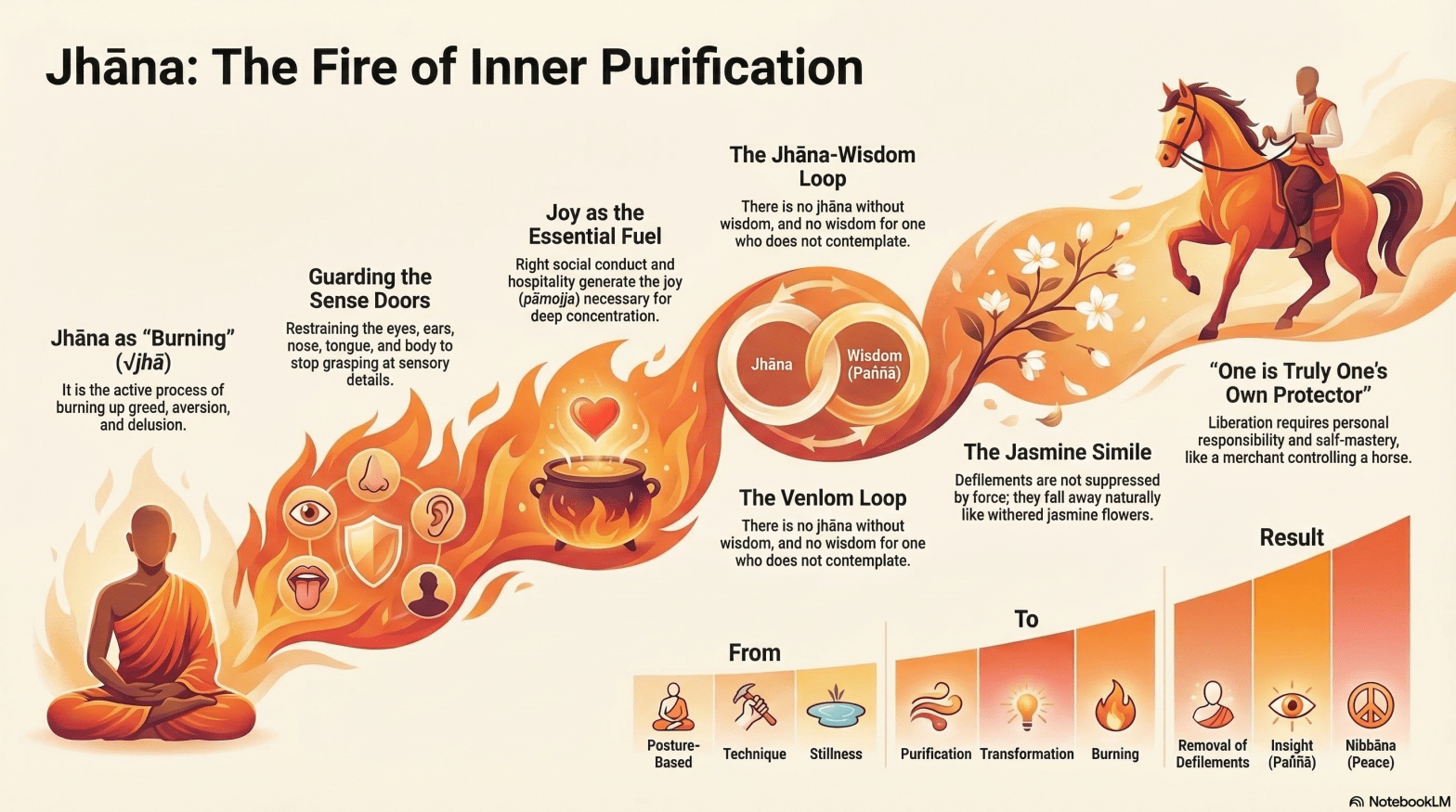
In contemporary understanding, jhāna is often interpreted as “meditation” or “deep contemplation,” typically associated with sitting on a cushion for long hours in stillness. However, this popular notion only scratches the surface and may even obscure its deeper meaning as taught in the Buddha’s Dhamma. To uncover the true significance of jhāna, we must returnContinue reading “What is Jhāna?”
Should you close eyes for meditation?
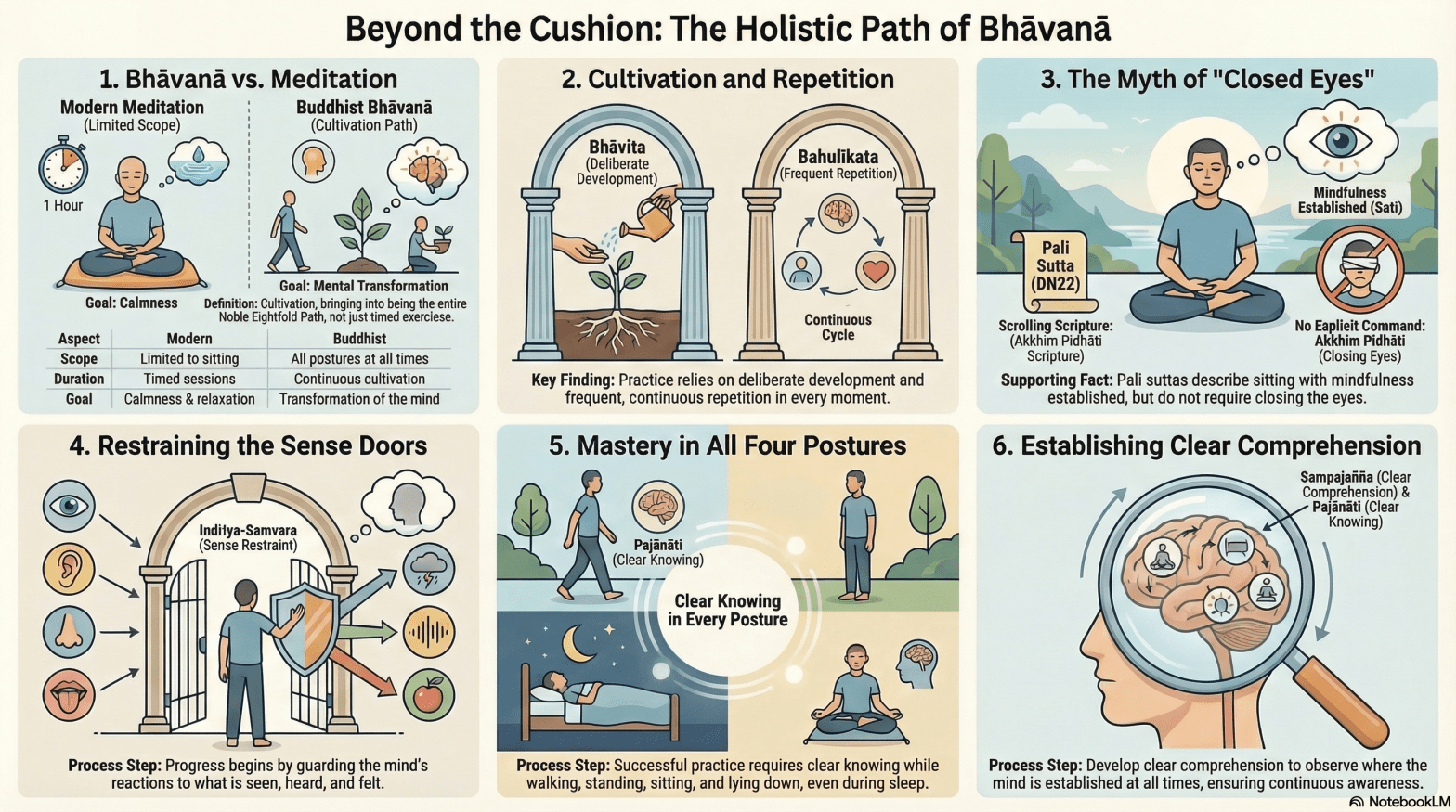
Did Buddha Teach “Closed-Eyes Meditation”?Today, the word meditation has come to evoke a very specific image in the minds of many people. We immediately think of a person sitting cross-legged on a cushion, setting a timer for one hour or more, closing the eyes, and focusing exclusively on the breath at the nostrils. If theContinue reading “Should you close eyes for meditation?”
From Hindrances to Awakening: The Complete Map
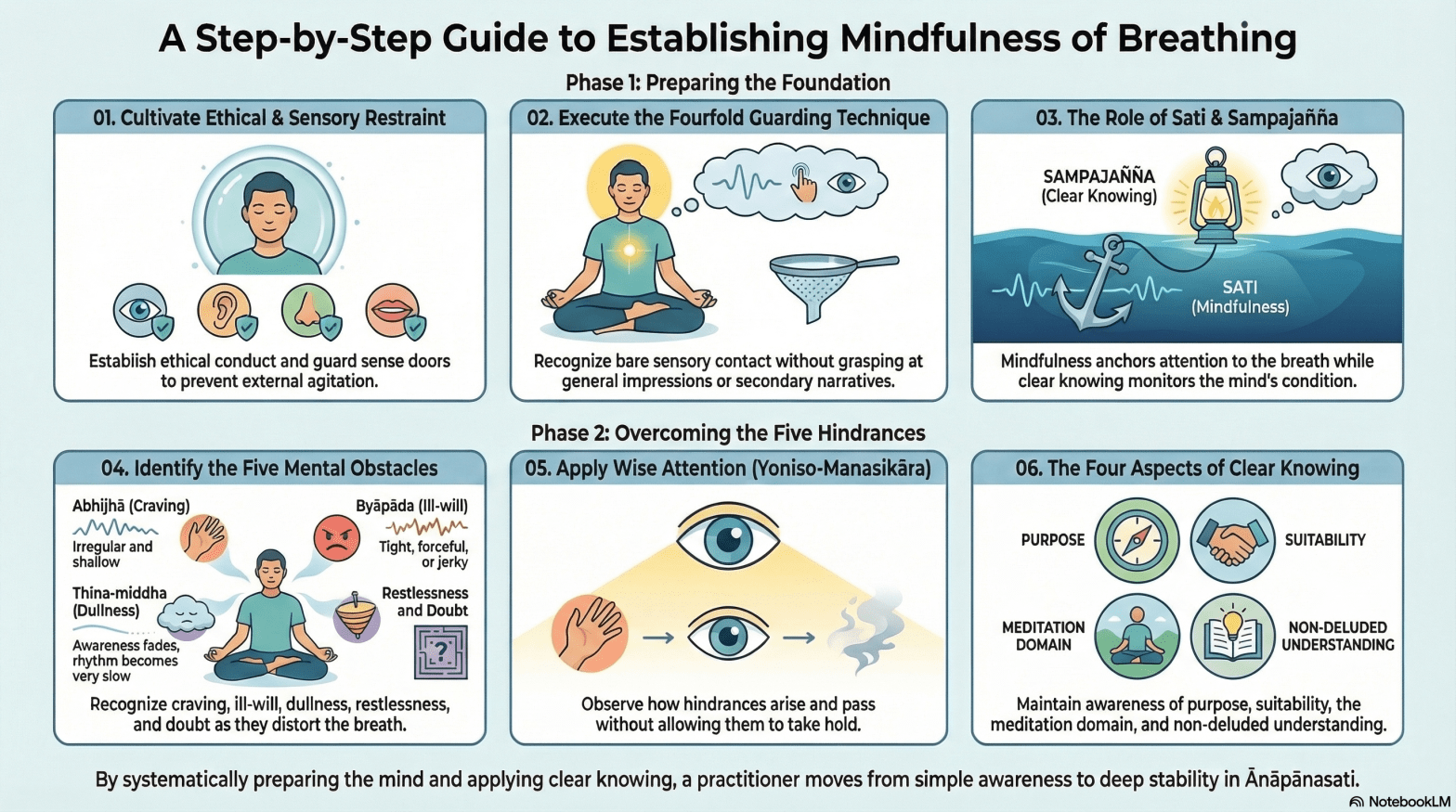
Mindfulness of breathing does not become stable immediately because the mind is usually covered by the five hindrances (pañca nīvaraṇāni) — abhijjhā (craving), byāpāda (ill-will), thīna-middha (sloth and torpor), uddhacca-kukkucca (restlessness and remorse), and vicikicchā (doubt). These mental obstacles disturb attention, making the breath difficult to observe continuously. Therefore, establishing mindfulness of the breath requiresContinue reading “From Hindrances to Awakening: The Complete Map”
31 planes of existence
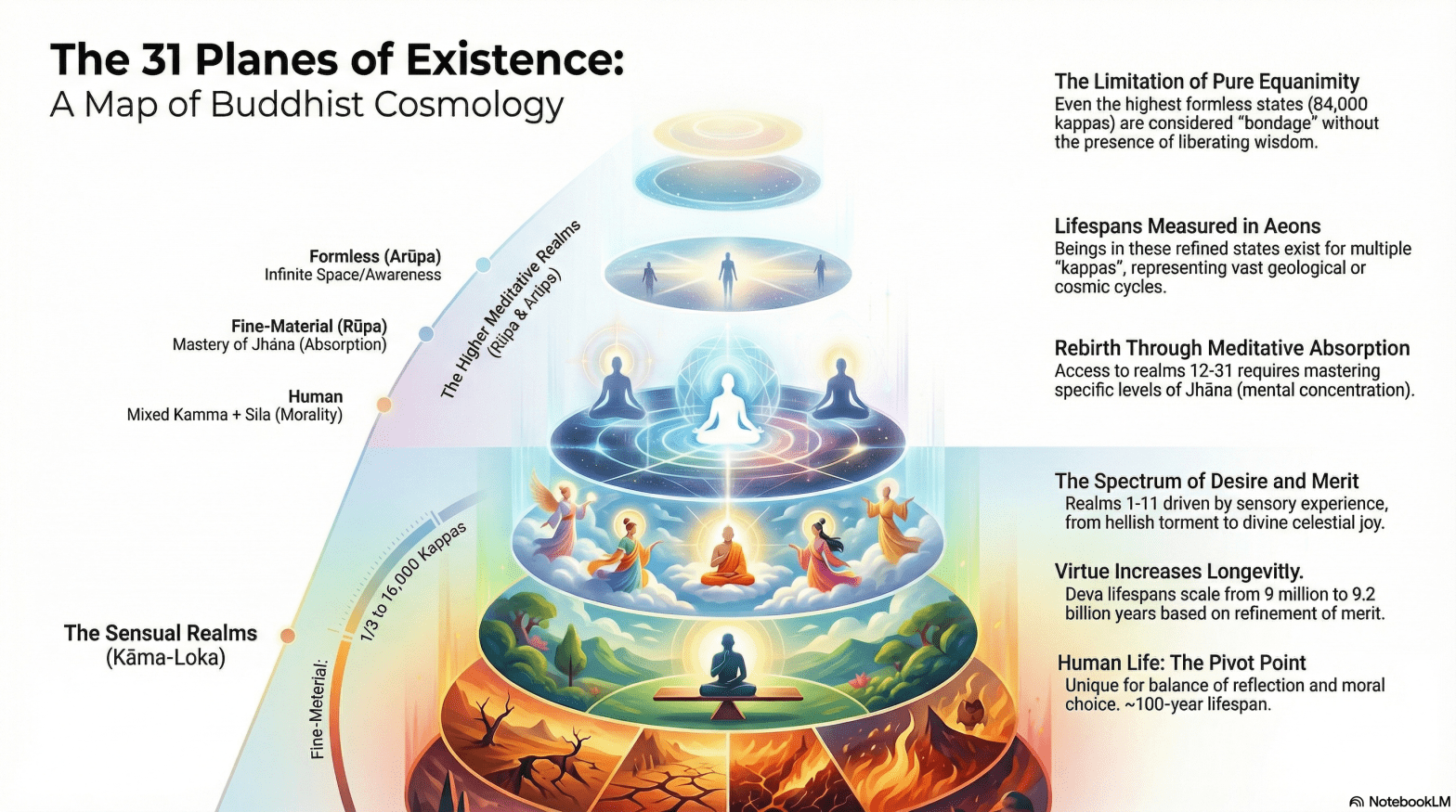
Let us go over the 31 planes of existence which can be experienced by everyone during a day if someone is keen and sharp to see that indeed the mind keeps on oscillating among these existence. It’s time to go into every detail of it and understand what needs to be done in order notContinue reading “31 planes of existence”
10 improper views

IntroductionIn the Buddha’s teaching, liberation does not begin with rituals, beliefs, or external practices. It begins with seeing rightly. When our way of seeing reality is distorted, even sincere effort becomes misdirected. We may practice, give, study, or meditate—yet remain bound to suffering. This fundamental distortion is called micchā diṭṭhi (wrong view).The Buddha repeatedly emphasizedContinue reading “10 improper views”
Steps for liberation
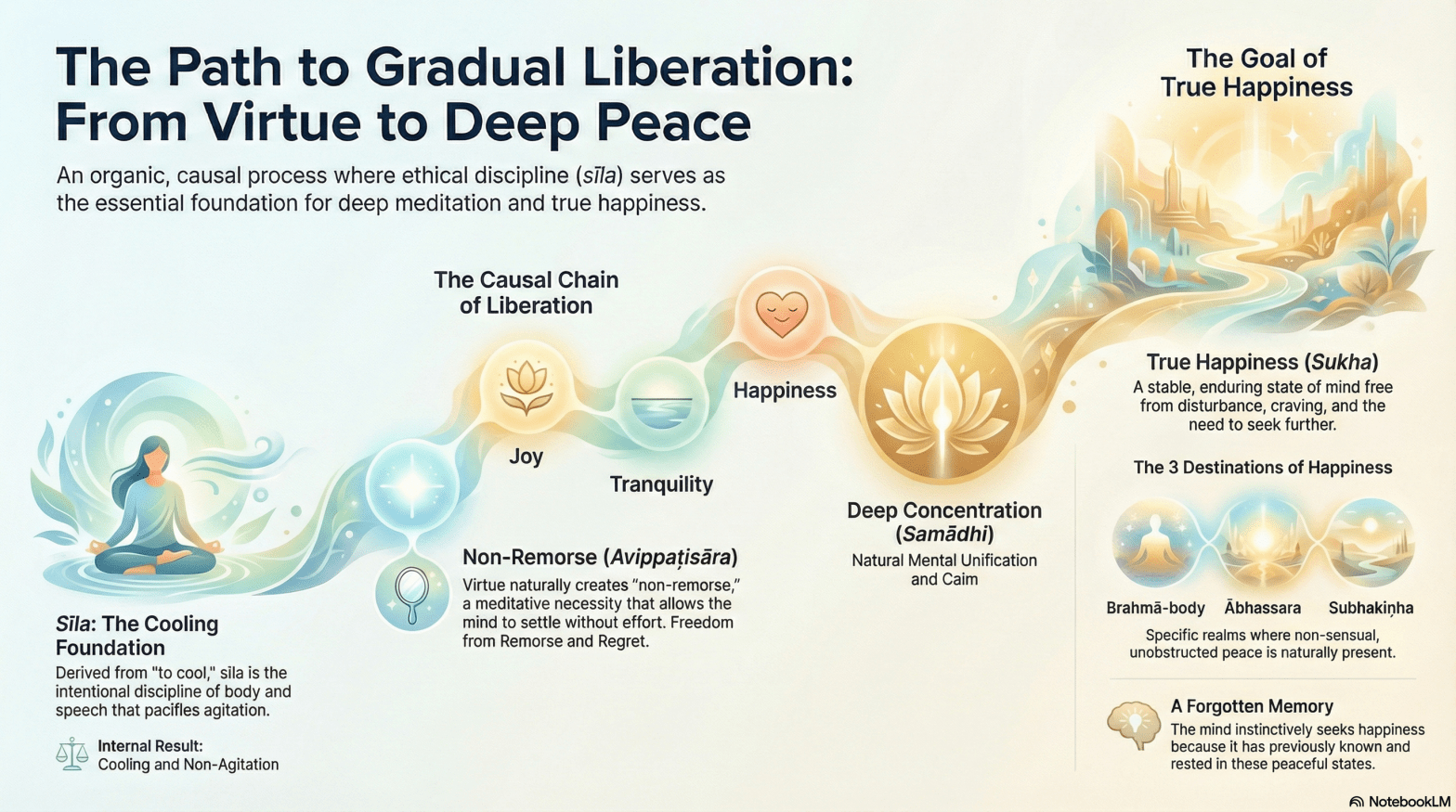
Search Previous Next Clear This blog is an attempt to present the Buddha’s path to liberation from saṁsāra in its complete and structured form. Beginning with the establishment of sīla, the path unfolds through the development of samādhi and culminates in paññā—the direct seeing that brings release. These are not separate practices, but interdependent trainingsContinue reading “Steps for liberation”
Day 7 – Vipassana Insight: The Five Elements and the Seizing Mind
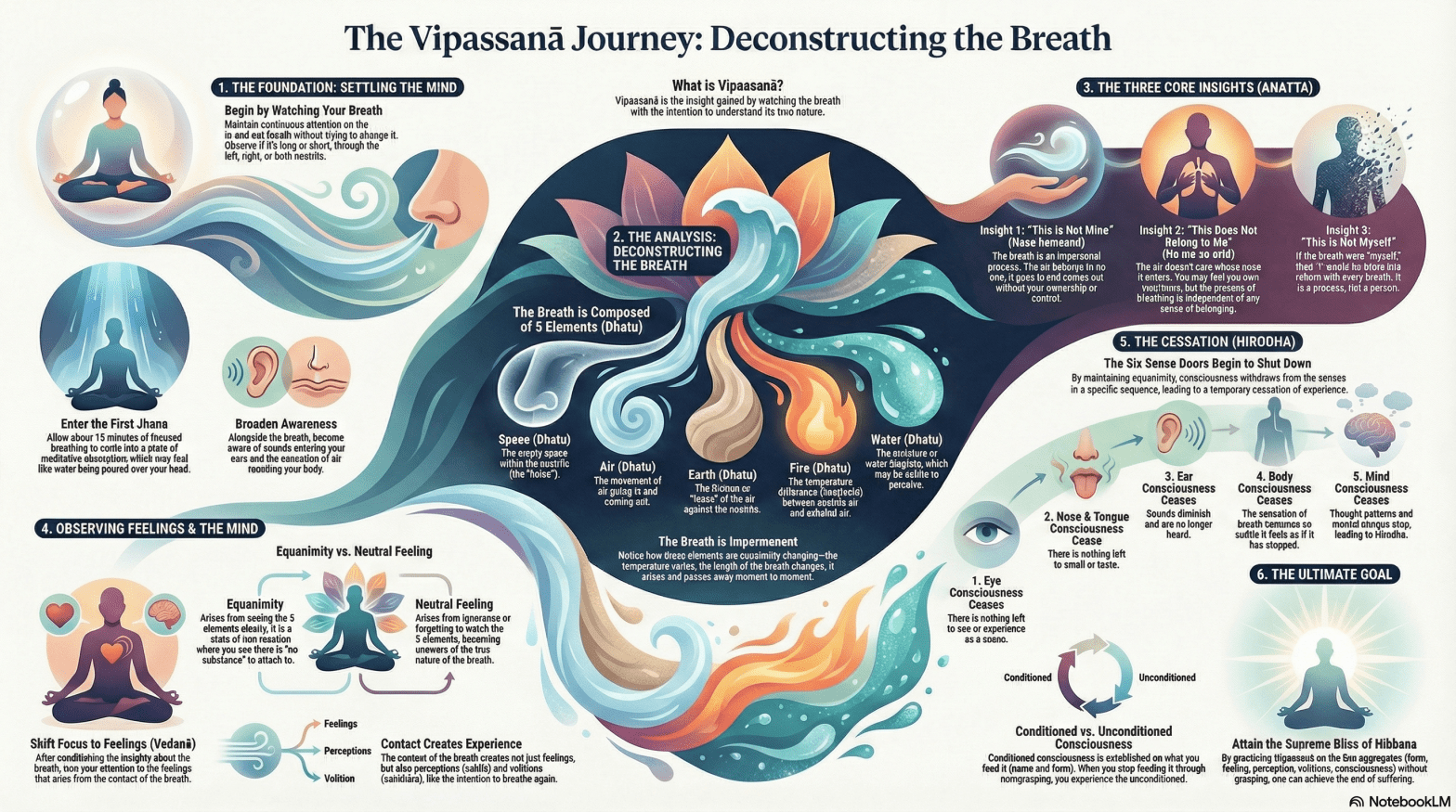
Brisbane Retreat day 7 – Practical Vipassna Welcome to the Vipassana day !!!So today, what we are going to do is that in the next 2 hours almost 2 hours it’ll be continuous session. If you want to stretch your leg any time you can do so but do it slowly without disturbing your mind.Continue reading “Day 7 – Vipassana Insight: The Five Elements and the Seizing Mind”
Day 5 – The Path to Internal Joy and Noble Silence
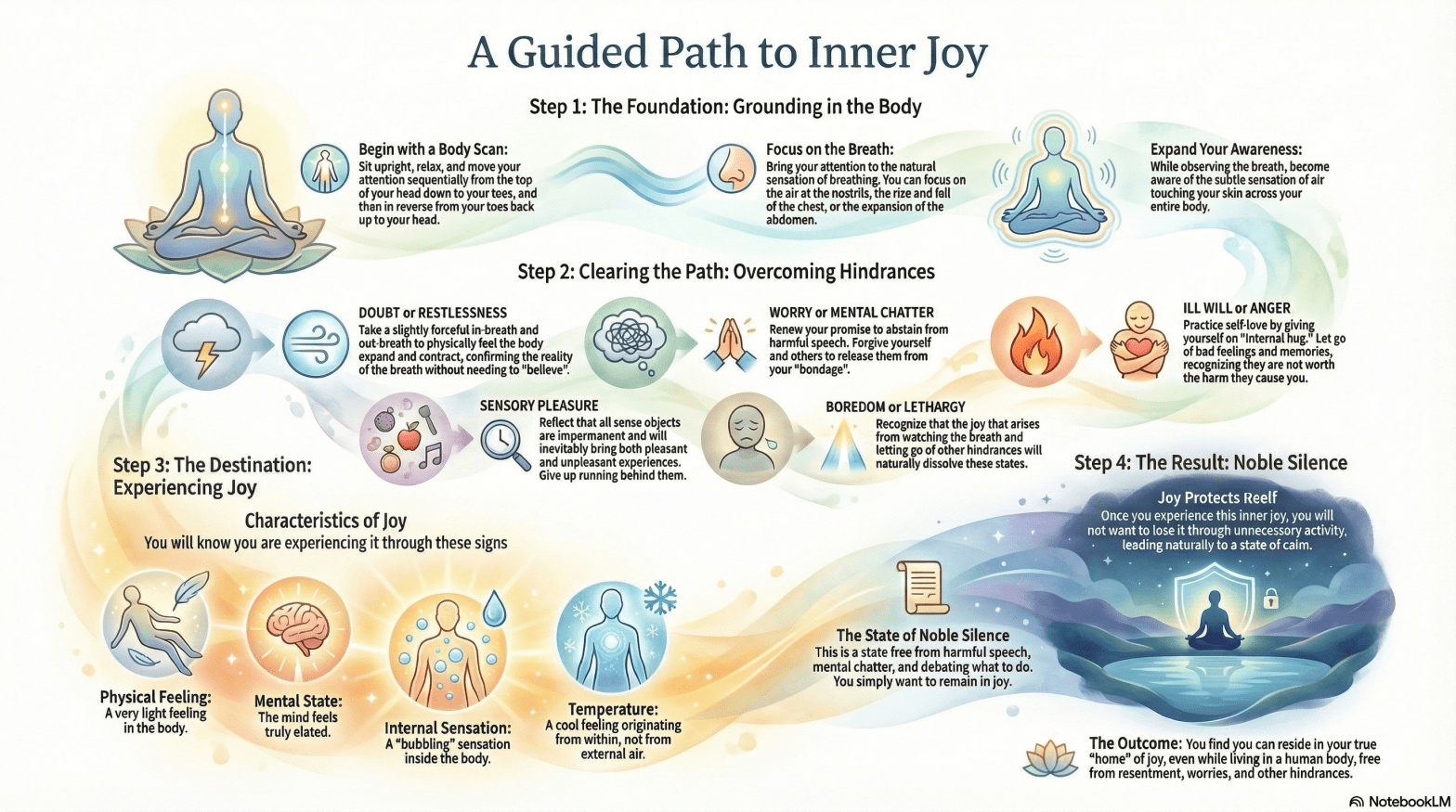
Brisbane Retreat – Day 5: Morning Practice Entering into 2nd jhāna Ready? Make your body upright. Relax the body. And now observe the sweat or any other sensation that is appearing the body. Move your attention from the top of the head to the tip of the toe. Scanning part by part of your body.Continue reading “Day 5 – The Path to Internal Joy and Noble Silence”