

Before we begin, how many times did you try to see the photograph above of the couple and what was the experience of it? 1. Did you like it?2. Did you not like it?3. You remained indifferent to it Now, let us understand the nature of everything – both as quality of pathavi, apo, tejoContinue reading “Nature of everything”
Category Archives: Sutta Writings
Anthill riddle sutta

This sutta is all about riddle which has deeper connotation and helps in meditation for long time 🐜 Introduction of the Riddle by the Devatā“Bhikkhu bhikkhu, ayaṁ vammiko rattiṁ dhūmāyati, divā pajjalati.Brāhmaṇo evamāha: ‘abhikkhaṇa, sumedha, satthaṁ ādāyā’ti.”“Bhikkhu, bhikkhu, this anthill (vammika) smokes at night and blazes during the day.The brahmin says: ‘Dig, Sumedha, with theContinue reading “Anthill riddle sutta”
Contemporaries of Buddha
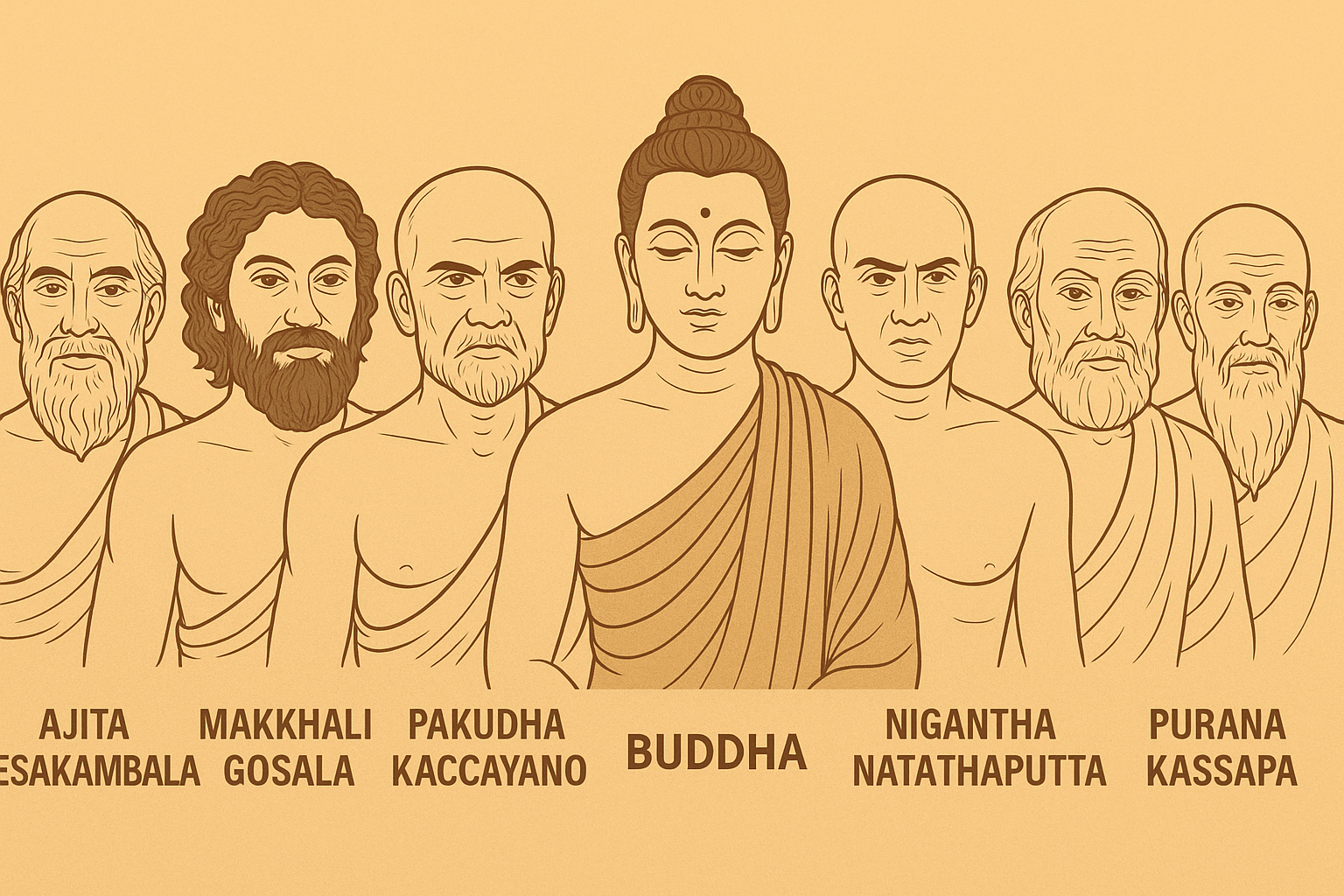
Its time to understand six contemporaries of Buddha who had a different philosophy which made good sense far away from Vedic misunderstandings and differences which created a new school of thought as “samana” or “shramana” which means “one’s own effort” rather than divine intervention and sacrifices which were too much during that time. Also, theContinue reading “Contemporaries of Buddha”
Understanding Householder life

A family person is one who has wife/husband, parents and inlaws, children and need to manage everything. Eventhough, in Mangala Sutta, Buddha explains on how one should lead an effective householder life, many people misunderstand what Buddha says and they act in a manner which disturbs peace and happiness in families and make them fightContinue reading “Understanding Householder life”
Jhānic Imperturbability
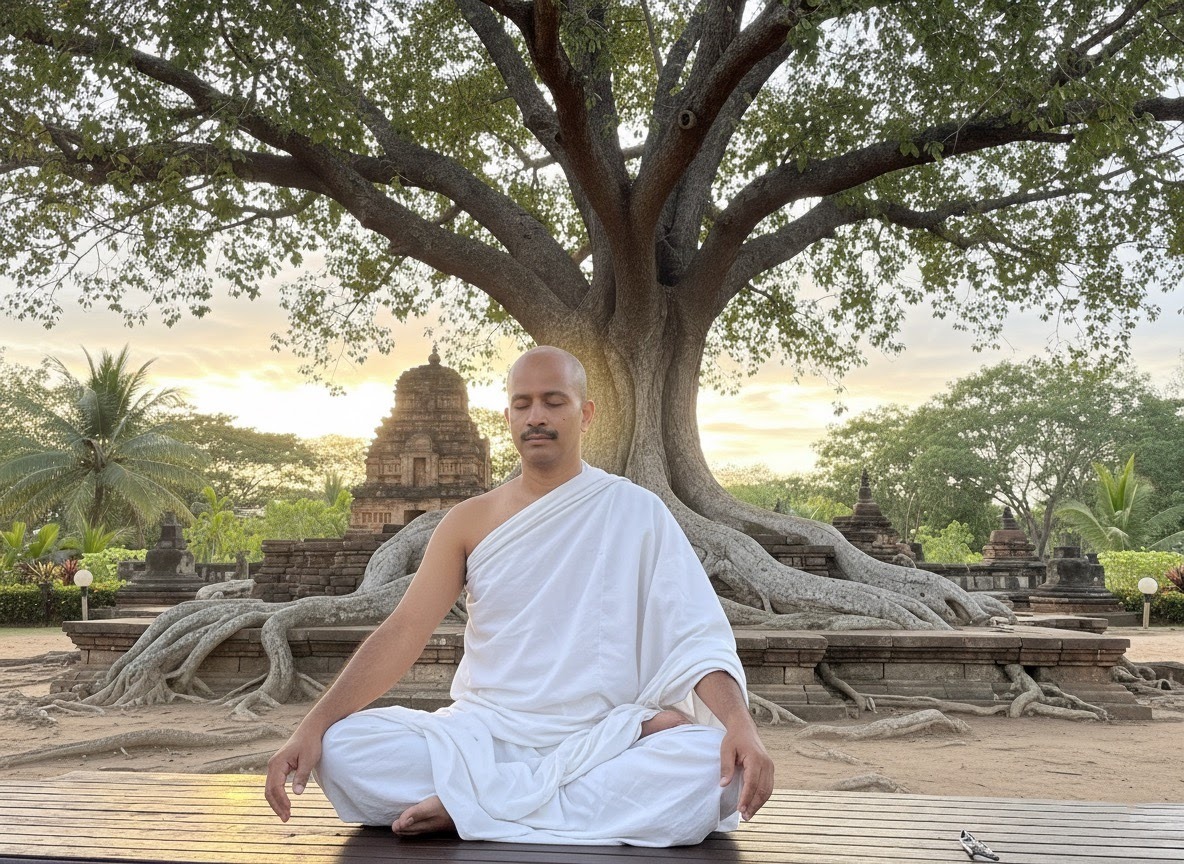
1️⃣ What Is Āneñja in the Suttas?The word āneñja appears in key contexts: 📌 a) Jhānic ImperturbabilityIn MN 66, MN 106, and SN 40, āneñja is used for the fourth jhāna and for certain formless attainments where the mind becomes:Upekkhā-satipārisuddhi: purified through equanimityNot shaken by pain or pleasureNot moved by external sense data – E.g.,Continue reading “Jhānic Imperturbability”
Dhatu & Vibhanga

Let us first start with understand Dhatu & Vibhanga in Dhatuvibhangasutta – MN140Dhātu: Often translated as element, but in the suttas, dhātu refers to: A fundamental characteristic, intrinsic nature, or mode of manifestation of experience.It is not merely physical substance, but how experience or processes behave by their own nature.🔎 Etymology: From the root √dhaContinue reading “Dhatu & Vibhanga”
Parrot Tree simile sutta
Let us take up this important sutta which shows how to watch arising and ceasing of six senses and how the contact creates feeling. This sutta is named Kiṁsukopamasutta – Parrot Tree simile sutta. Atha kho aññataro bhikkhu yenaññataro bhikkhu tenupasaṅkami; upasaṅkamitvā taṁ bhikkhuṁ etadavoca: “kittāvatā nu kho, āvuso, bhikkhuno dassanaṁ suvisuddhaṁ hotī”ti? Then aContinue reading “Parrot Tree simile sutta”
Elephant’s feet simile by Sariputta

Introduction: Setting the SceneEvaṁ me sutaṁ— ekaṁ samayaṁ bhagavā sāvatthiyaṁ viharati jetavane anāthapiṇḍikassa ārāme. Tatra kho āyasmā sāriputto bhikkhū āmantesi: “āvuso bhikkhave”ti. Thus have I heard: On one occasion, the Blessed One was dwelling in Sāvatthi, at Jetavana, in Anāthapiṇḍika’s monastery. At that time, Venerable Sāriputta addressed the monks: “Friends, monks.” (Deeper Meaning & Context)ThisContinue reading “Elephant’s feet simile by Sariputta”
Conscious clinging

“Upayo, bhikkhave, avimutto, anupayo vimutto. Explanation:The Buddha states that clinging (upayo) leads to non-liberation (avimutto), whereas non-clinging (anupayo) leads to liberation (vimutto). Story: A man standing and watching a woman going by where his mind is now occupied with proliferation of her curves, waist, head hair, face, arms and dress she has worn. The moreContinue reading “Conscious clinging”
Ambapali Story

The Life of Ambapali: From Courtesan to ArahantAmbapali’s life is one of the most remarkable stories in Buddhist history. She was a woman of unparalleled beauty, intelligence, and grace, who lived in ancient India during the time of the Buddha. From being the most celebrated courtesan (nagarvadhu) of Vaishali to renouncing worldly pleasures and attainingContinue reading “Ambapali Story”