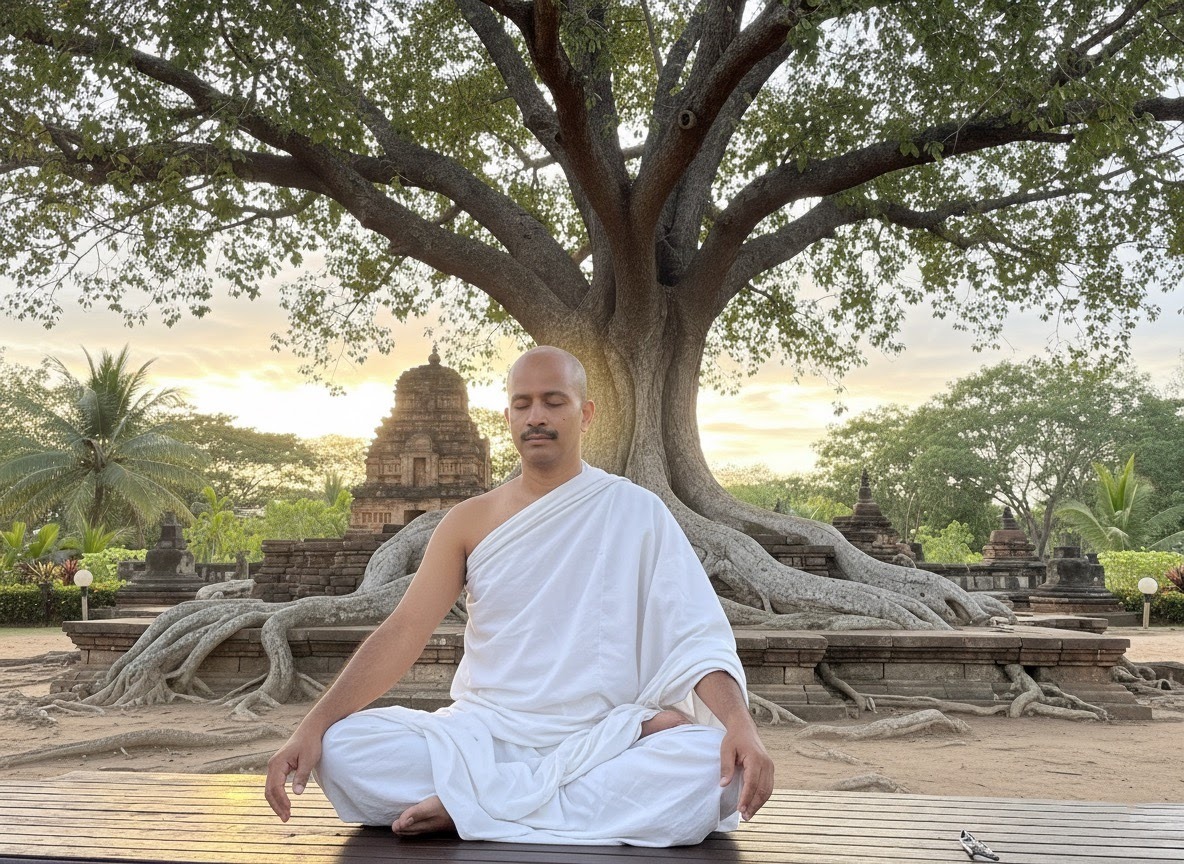
1️⃣ What Is Āneñja in the Suttas?The word āneñja appears in key contexts: 📌 a) Jhānic ImperturbabilityIn MN 66, MN 106, and SN 40, āneñja is used for the fourth jhāna and for certain formless attainments where the mind becomes:Upekkhā-satipārisuddhi: purified through equanimityNot shaken by pain or pleasureNot moved by external sense data – E.g.,Continue reading “Jhānic Imperturbability”
Author Archives: Spiritual Essence
Dhatu & Vibhanga

Let us first start with understand Dhatu & Vibhanga in Dhatuvibhangasutta – MN140Dhātu: Often translated as element, but in the suttas, dhātu refers to: A fundamental characteristic, intrinsic nature, or mode of manifestation of experience.It is not merely physical substance, but how experience or processes behave by their own nature.🔎 Etymology: From the root √dhaContinue reading “Dhatu & Vibhanga”
Jhānas – Step by Step
Let us get deeper into jhānas on how to attain them, how would one know that they have entered, how they have stayed there and how they have exited. Also, there are preliminary things that need to be there before the jhānas are possible as in being secluded from sensual pleasures and all immoral deeds.Continue reading “Jhānas – Step by Step”
Who is Sotapanna?

If we were to refer to some of the key sutta’s, we would be able to understand on who would qualify for Sotapanna. Before we go there, one need to know on how does our journey start? All of our journey start in trying to find peace in our life and we happen to stumbleContinue reading “Who is Sotapanna?”
Parrot Tree simile sutta
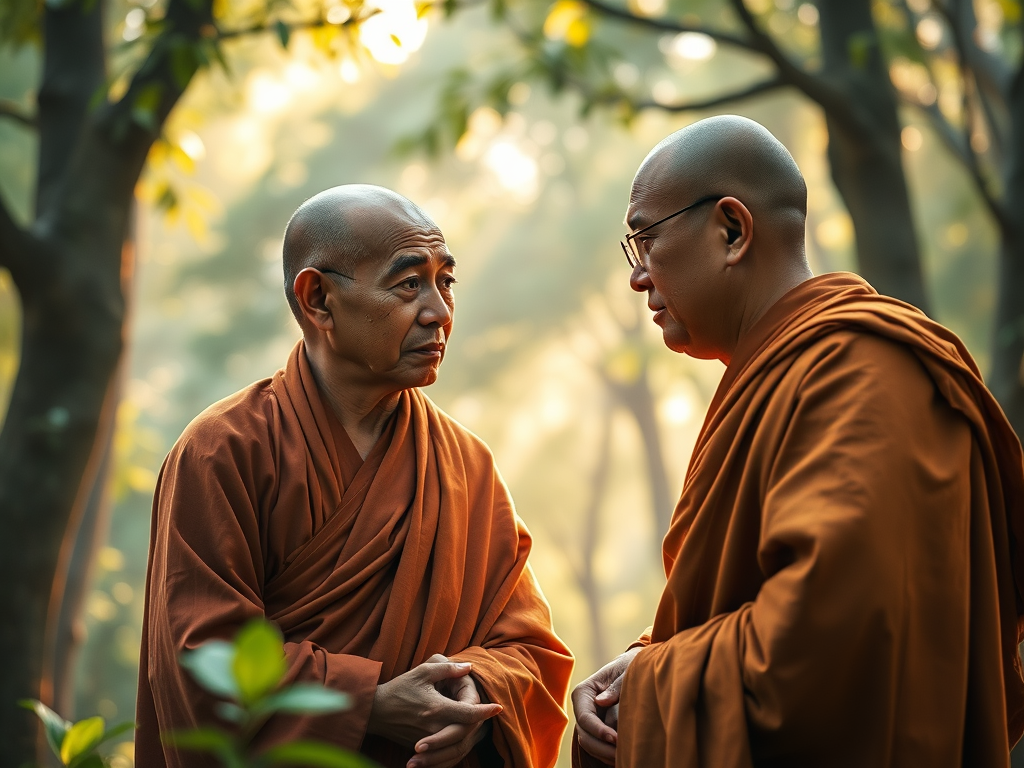
Let us take up this important sutta which shows how to watch arising and ceasing of six senses and how the contact creates feeling. This sutta is named Kiṁsukopamasutta – Parrot Tree simile sutta. Atha kho aññataro bhikkhu yenaññataro bhikkhu tenupasaṅkami; upasaṅkamitvā taṁ bhikkhuṁ etadavoca: “kittāvatā nu kho, āvuso, bhikkhuno dassanaṁ suvisuddhaṁ hotī”ti? Then aContinue reading “Parrot Tree simile sutta”
Elephant’s feet simile by Sariputta

Introduction: Setting the SceneEvaṁ me sutaṁ— ekaṁ samayaṁ bhagavā sāvatthiyaṁ viharati jetavane anāthapiṇḍikassa ārāme. Tatra kho āyasmā sāriputto bhikkhū āmantesi: “āvuso bhikkhave”ti. Thus have I heard: On one occasion, the Blessed One was dwelling in Sāvatthi, at Jetavana, in Anāthapiṇḍika’s monastery. At that time, Venerable Sāriputta addressed the monks: “Friends, monks.” (Deeper Meaning & Context)ThisContinue reading “Elephant’s feet simile by Sariputta”
Conscious clinging

“Upayo, bhikkhave, avimutto, anupayo vimutto. Explanation:The Buddha states that clinging (upayo) leads to non-liberation (avimutto), whereas non-clinging (anupayo) leads to liberation (vimutto). Story: A man standing and watching a woman going by where his mind is now occupied with proliferation of her curves, waist, head hair, face, arms and dress she has worn. The moreContinue reading “Conscious clinging”
Ambapali Story

The Life of Ambapali: From Courtesan to ArahantAmbapali’s life is one of the most remarkable stories in Buddhist history. She was a woman of unparalleled beauty, intelligence, and grace, who lived in ancient India during the time of the Buddha. From being the most celebrated courtesan (nagarvadhu) of Vaishali to renouncing worldly pleasures and attainingContinue reading “Ambapali Story”
Shorter Q&A session on Dhamma

Let’s take up Culavedallasutta in MN44 which explains on the status of a person who is bound for liberation from the samsāra which is a coupling between birth and death cycle. This is a fantastic sutta which explains about various stages of awakening as in Sotapanna, Sakadagami, Anāgami and Arahat. This is sutta is Q&AContinue reading “Shorter Q&A session on Dhamma”
What is Paramāsa?
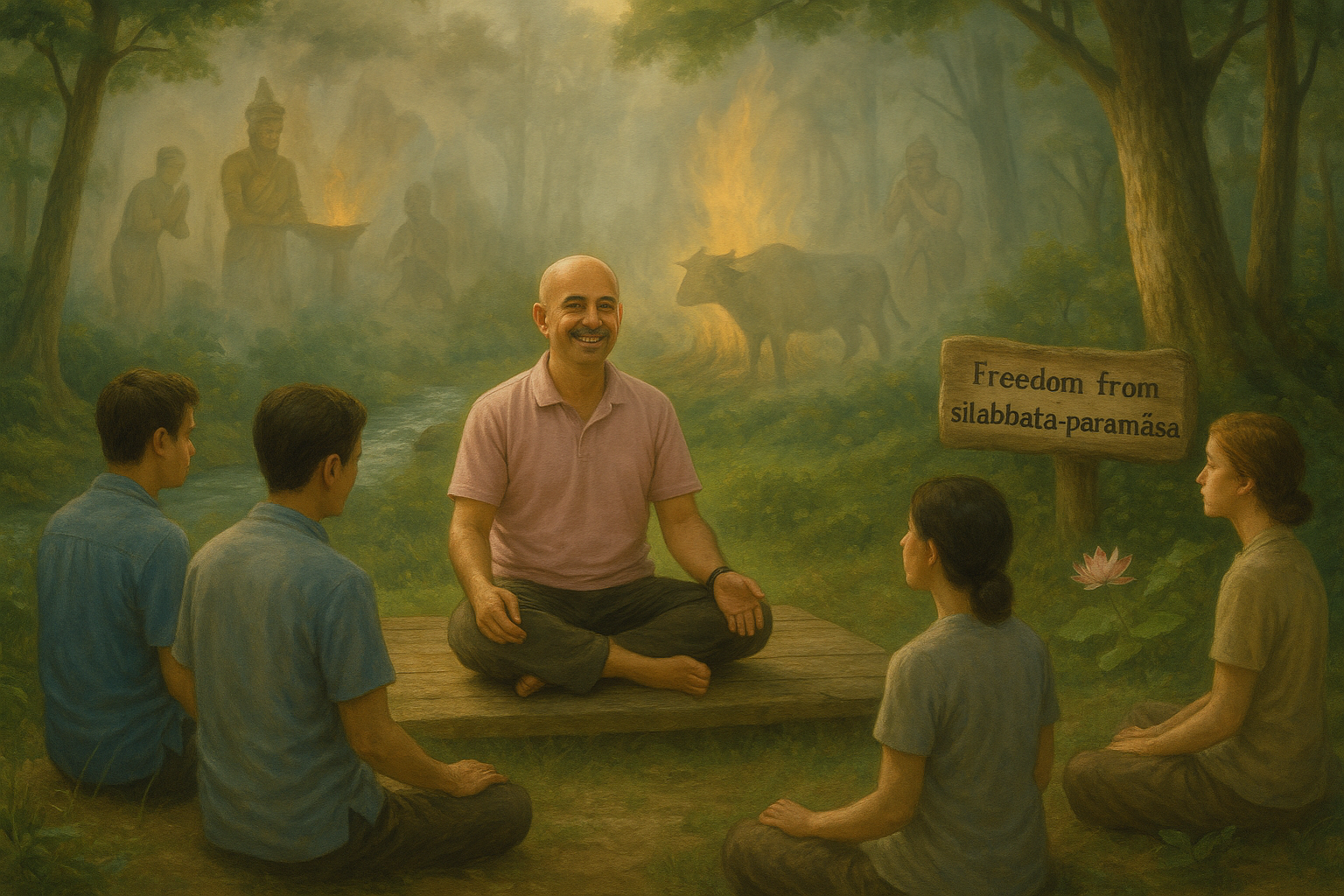
There has been lot of questions and confusion relating to sīlabbata paramāsa which is translated as “attachment to rites and rituals”. One question arises relating to this term whether it is just “attachment to rites and rituals” or is there something more in this. In order to understand it deeper and removing of self-view whichContinue reading “What is Paramāsa?”