Let us get going to solve the riddle which was presented to Citta in Paṭhamakāmabhūsutta(SN41.5) which provides for complete clarity on what should be done in order to reach he highest which is Arahat phala.
Nelaṅgo setapacchādo,
ekāro vattatī ratho;
Anīghaṁ passa āyantaṁ,
chinnasotaṁ abandhanan’ti.
Now, Citta provides answers to each one of the riddle.
🔹 1. “Nelaṅgo” — The one from whom the laṅga (iron rod) has been removed
“‘Nelaṅgan’ti kho, bhante, sīlānametaṁ adhivacanaṁ.
‘Unlocked’ (nelaṅga) is a term, venerable sir, that refers to virtue (sīla).”
Laṅgi is the metal rod of bondage — something inserted or driven in to bind or lock (like a bolt across a door or pin across a yoke). Hence nelaṅgi is one who is no longer bolted or locked down by defilements (rāga, dosa, moha).
But how is this laṅga removed?
This is not accomplished merely by sīla (virtue), though sīla is foundational. It is the practice of sati (mindfulness) that initiates insight leading to vimutti (liberation).
🔹 2. “Setapacchādo” — White-cloaked
Setapacchādo’ti kho, bhante, vimuttiyā etaṁ adhivacanaṁ.
This still refers to purity of liberation (vimutti). The “white covering” is a metaphor for the stainless, pure state of an Arahant’s mind—unstained by defilements. It’s a poetic way of representing purified mind and conduct.
🔹 3. ‘Ekāro’ti kho, bhante, satiyā etaṁ adhivacanaṁ
“‘Single sound’ (ekāra) is a term that refers to mindfulness (sati).”
Ekāra literally means “one sound” or “one utterance.” It symbolizes unification or singularity of attention—a quality central to mindfulness. Mindfulness (sati) sustains one-pointed attention. Citta sees this word as representing the unifying focus of awareness.
🔹 4. ‘Vattatī’ti kho, bhante, abhikkamapaṭikkamassetaṁ adhivacanaṁ.
“‘It moves’ (vattati) is a term that refers to forward and backward movement.”
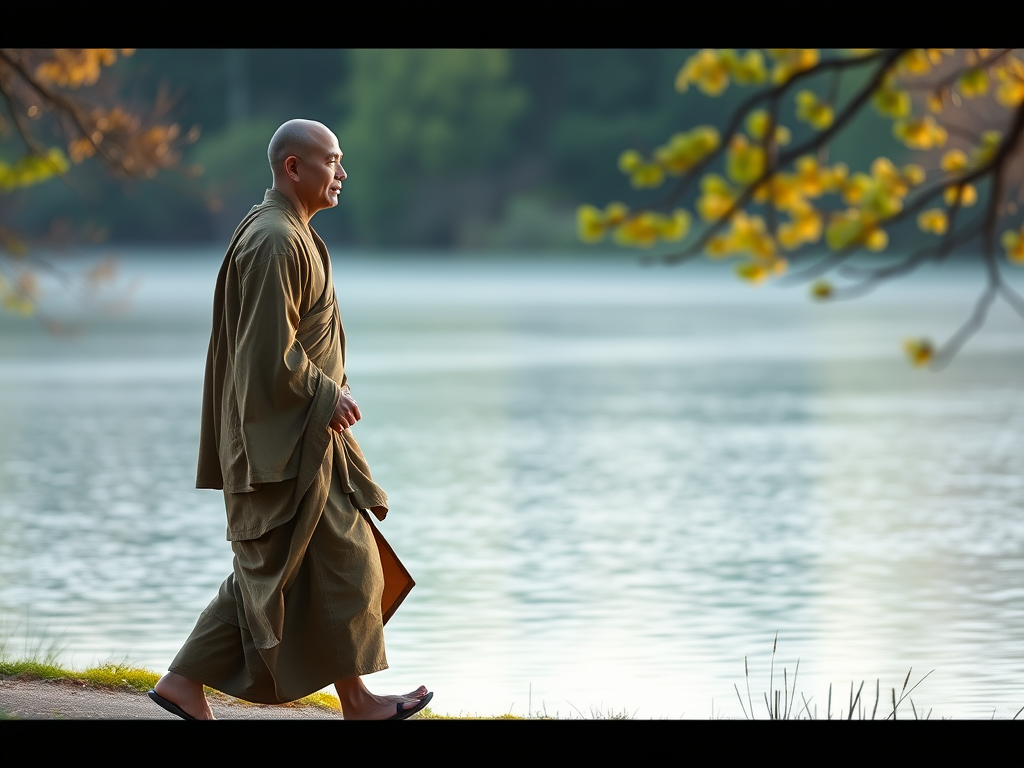
This refers to walking meditation, where a monk paces back and forth. The verb “vattati” indicates ongoing activity or motion. Citta interprets it metaphorically as the physical movement of a meditating bhikkhu who is engaged in mindful pacing—a practice often done with mindfulness of the body to look into arising, staying and ceasing aspect of every step without missing a single one.
🔹 5. ‘Ratho’ti kho, bhante, imassetaṁ cātumahābhūtikassa kāyassa adhivacanaṁ mātāpettikasambhavassa odanakummāsūpacayassa aniccucchādanaparimaddanabhedanaviddhaṁsanadhammassa.
“‘Chariot’ (ratha), venerable sir, is a term for this body composed of the four great elements, born of mother and father, built up from rice and gruel, subject to:
Anicca-ucchādana-parimaddana-bhedana-viddhaṁsana-dhammassa
This long compound describes the inherent nature of the body in five qualities:
Anicca = impermanent – Arising and passing moment to moment
Ucchādana = subject to being wiped or cleaned, i.e., requiring external maintenance
Parimaddana = compressed, squeezed, i.e., subject to pressure and friction (from aging, disease, exertion)
Bhedana = subject to breaking — as in bones, organs, tissues
Viddhaṁsana = subject to total destruction, i.e., final death, dissolution
This body is inherently unstable, decaying, non-enduring, and not worth clinging to.
🔹 6. Rāgo kho, bhante, nīgho, doso nīgho, moho nīgho.
Te khīṇāsavassa bhikkhuno pahīnā ucchinnamūlā tālāvatthukatā anabhāvaṅkatā āyatiṁ anuppādadhammā. Tasmā khīṇāsavo bhikkhu ‘anīgho’ti vuccati.
“Craving (rāga), aversion (dosa), and delusion (moha) are afflictions (nīgho), venerable sir.
These have been abandoned by the arahant monk, cut off at the root, made like a palm stump, obliterated, and are not liable to arise again in the future. Therefore, the arahant monk is called ‘unafflicted’ (anīgha).”
Here the three unwholesome roots (akusalamūla) are declared as “afflictions” or burdens. A khīṇāsava (one with all taints destroyed) has eliminated these completely, so no suffering can arise from them again. Hence, he is truly anīgha—free from affliction.
🔹 7. Āyantan’ti kho, bhante, arahato etaṁ adhivacanaṁ.
“‘The arrival’ (āyanta) is a term that refers to the arahant.”
‘Āyanta’ literally means ‘one who has arrived.’ Citta sees it as symbolic of the arahant who has arrived at the goal, i.e., Nibbāna, the complete cessation of suffering. The arahant is the culmination of the path—he has ‘arrived’ at liberation.
🔹 8. ‘Soto’ti kho, bhante, taṇhāyetaṁ adhivacanaṁ.
Sā khīṇāsavassa bhikkhuno pahīnā ucchinnamūlā tālāvatthukatā anabhāvaṅkatā āyatiṁ anuppādadhammā. Tasmā khīṇāsavo bhikkhu ‘chinnasoto’ti vuccati.
“‘Stream’ (sota), venerable sir, is a term for craving (taṇhā).
That has been abandoned by the arahant monk, cut off at the root, made like a palm stump, obliterated, and not liable to arise again in the future.
Therefore, the arahant monk is called ‘one with the stream cut’ (chinnasota).”
The “stream” here is not the stream of the path (as in Sotāpanna), but the flood of craving—the current that carries beings from one existence to another. When taṇhā is cut, the samsāric current is broken, and hence the arahant is ‘chinnasota’—with the stream cut.
🔹 10. Rāgo kho, bhante, bandhanaṁ, doso bandhanaṁ, moho bandhanaṁ.
Te khīṇāsavassa bhikkhuno pahīnā ucchinnamūlā tālāvatthukatā anabhāvaṅkatā āyatiṁ anuppādadhammā.
Tasmā khīṇāsavo bhikkhu ‘abandhano’ti vuccati.
“Craving is a bond, aversion is a bond, delusion is a bond.
These have been abandoned by the arahant monk, cut off at the root, made like a palm stump, obliterated, and not liable to arise again.
Therefore, the arahant monk is called ‘unbound’ (abandhano).”
This is similar to the previous verses. The defilements are seen as chains, binding one to saṁsāra. The Arahant is free of these bonds, having destroyed the fetters. He is thus completely liberated—“abandhano.”
🔹 11. Iti kho, bhante, yaṁ taṁ bhagavatā vuttaṁ:
‘Nelaṅgo setapacchādo,
ekāro vattatī ratho;
Anīghaṁ passa āyantaṁ,
chinnasotaṁ abandhanan’ti.
Imassa kho, bhante, bhagavatā saṅkhittena bhāsitassa evaṁ vitthārena atthaṁ ājānāmī”ti.
“Thus, venerable sir, with regard to what was said by the Blessed One:
‘Unlocked, white-cloaked,
A single-sound chariot moves;
See the arrival, free from affliction,
With stream cut and unbound.’
This is the meaning, venerable sir, that I understand in detail from the Buddha’s brief statement.”
Citta has now completed his unpacking of a compressed verse spoken by the Buddha. Each poetic term—nelaṅga, setapacchāda, ekāra, vattati, āyanta, chinnasota, abandhana—has been interpreted with deep insight into sīla, vimutti, sati, kāya, taṇhā, and nibbāna.
His explanation reveals a sophisticated understanding not only of Dhamma but also of the Buddha’s mode of teaching in condensed poetic form (udāna/verse), which the wise are invited to unpack.
Riddle of Life